
School-Age Language Assessment (SLAM) Cards
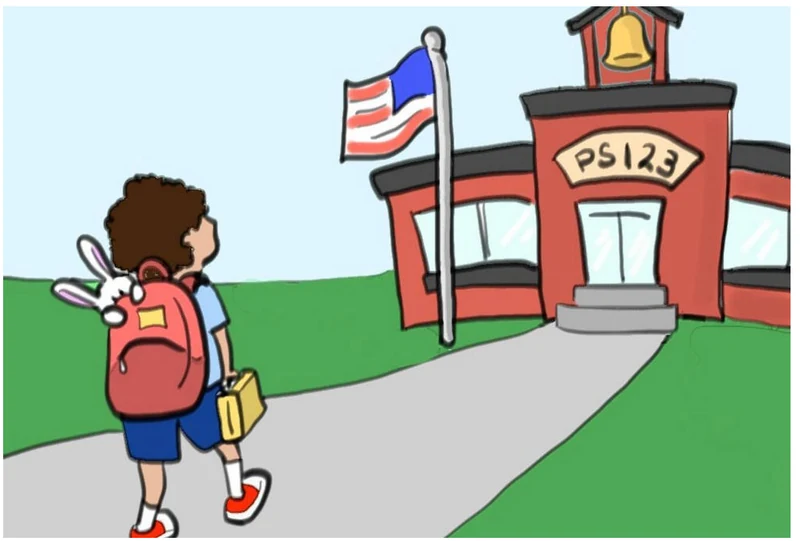
School-Age Language Assessment (SLAM) Cards
The Leaders Project maintains this website containing FREE, evidence-based, language assessment cards and evaluation forms. The materials are available in multiple languages. For remote applications, free BOOM cards are available as well.
Visit the resourceExternal site: leadersproject.org
The Leaders Project maintains this website containing FREE, evidence-based, language assessment cards and evaluation forms. The materials are available in multiple languages. For remote applications, free BOOM cards are available as well.
 SLAM Dog Comes Home Cards (English)
Age/Grade Levels:
- Pre-school to Elementary School SLAMs
- Elementary School to High School SLAM
- Junior High/Middle School to High School SLAMs
Languages/translations include Spanish, French, Italian, Hindi, Japanese, Korean, Portuguese, Russian, Mandarin, Igbo and others.
Check out the SLAM Guidelines for Analysis page to access FREE evaluation forms, analysis guidelines, BOOM cards and original SLAM materials.
The FREE Evaluation forms include questions to assess the following areas within language:
- Narrative Skills
- Theory of Mind
- Syntax/Grammar
- Inferences
- Problem Solving
- Cohesion
- Perspective Taking
- Social/Pragmatic Language
- Listening Comprehension
- Emotional Identification

SLAM Subway Picture (English)
What exactly are SLAM cards and what are they used for?
The SLAM cards (School-age Language Assessment Measures) developed by the LEADERS Project are tools used primarily by Speech-Language Pathologists (SLPs) and educators to assess the language abilities of children, especially those from multilingual or culturally diverse backgrounds. Here’s how they are utilized:
- Eliciting Language Samples: The SLAM cards are visual stimuli—usually pictures or illustrations—that prompt children to produce language. By asking a child to describe or tell a story about the images, SLPs can gather natural language samples for analysis.
- Assessing Various Language Components:
- Vocabulary: Evaluating the range and appropriateness of words used.
- Grammar and Syntax: Observing sentence structure and the use of grammatical markers.
- Narrative Skills: Assessing the ability to organize thoughts coherently and logically.
- Pragmatics: Understanding the use of language in social contexts.
- Culturally Fair Assessment: Traditional language assessments may not be suitable for children from diverse backgrounds due to cultural and linguistic biases. SLAM cards are designed to be culturally neutral, reducing potential biases and providing a more accurate assessment of a child’s true language abilities.
- Dynamic Assessment: Instead of relying solely on standardized tests, SLAM cards allow for a more interactive and flexible evaluation. SLPs can gauge a child’s learning potential by providing cues or feedback during the assessment.
- Intervention Planning: The insights gained from using SLAM cards help professionals develop personalized intervention strategies that address the specific language needs of each child.
In Summary: SLAM cards by the LEADERS Project are used to:
- Evaluate expressive language skills in children.
- Identify language disorders in multilingual and culturally diverse populations.
- Reduce assessment biases by providing culturally neutral materials.
- Inform targeted interventions to support language development.
These tools are essential for ensuring that all children receive fair and accurate language assessments, leading to better educational outcomes and support.
For more FREE speech therapy/speech and language therapy assessment or evaluation resources, check out the “Evaluations” tab on our website.
Check out our full website at SpeechTherapistTools.com and scroll down to “Tool Categories” on the bottom right for links to FREE and low-cost Speech and Language Therapy resources.
One step before any standardized measure: confirm the child’s exact age. Our free chronological age calculator gives you years, months, and days without the borrowing math.